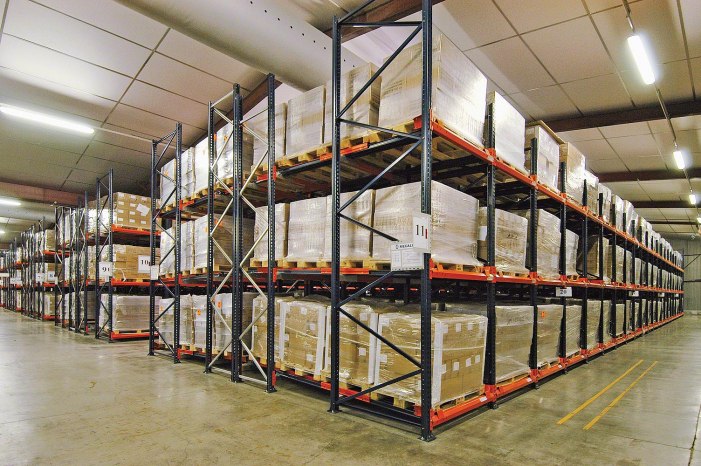
Pushback Rack in Macclenny, FL
Pushback rack in Macclenny can bring repeated building-material or agricultural-supply pallets into a smaller storage footprint while keeping trucks outside the lanes. It works best when inventory moves in groups rather than as isolated pallets.
In logistics buildings serving the I-10 corridor, we check the relationship between incoming quantities and outbound releases. Two-to-six-deep lanes use nested carts on inclined rails and retrieve the newest pallet first. That LIFO sequence must match the product's storage rules before fewer aisles become a practical advantage.
Plan Pushback Rack Around Replenishment Quantities
The right depth follows the quantity you expect to keep, not the largest shipment you have ever received. We examine low inventory as well as replenishment peaks. A lane that regularly empties halfway may need less depth, while slower single-pallet items may belong in selective bays with direct access.
For supply buildings along the US-90 corridor, outbound assembly space deserves the same attention as stored positions. A compact block can free floor area, but only if its working aisle remains clear when trucks are being loaded. We distinguish the handling route from the place orders wait for dispatch.
Our business is a division of Warehouse Equipment & Supplies Co.; supplying and installing since 1997 informs how Jacksonville Pallet Rack approaches push back racking selection. You receive a specific arrangement and defined responsibilities rather than an unexplained count of bays.
Warehouse Planning in This Area
At Macclenny industrial sites, agree where delivery components will wait before installation. I-10 freight access helps routing, but assembly still needs space separate from daily shipping and pallet inspection.
Pushback Rack Loading Without Lane Entry
The aisle face is both the loading and retrieval point. Carts move rearward during replenishment and return along inclined rails as front pallets leave.
Check lane assignment
Match the incoming pallet to the designated item and load limits, checking for broken boards or packaging that could interfere with travel.
Load the first cart
Set the pallet on the intended support points.
Replenish to designed depth
Each additional pallet moves occupied carts farther inward.
Retrieve in reverse order
Withdraw the newest pallet and control the advancing remainder according to the system instructions, maintaining a clear operating area.
From Pallet Measurements to Installed Cart Lanes
Begin with loaded pallet dimensions, maximum weights, runner condition and quantities by item. Equipment-service or agricultural inventory can include packages that project beyond the pallet, so actual load measurements matter. We assess the support needed beneath each load and the clearances required during placement and withdrawal.
Your pushback pallet rack layout shows lane allocation, level heights, lift approaches and the space reserved for shipping preparation. We discuss how the last-in, first-out sequence affects replenishment when several receipts arrive before earlier stock is exhausted. Each lane should have a clear inventory assignment rather than becoming general overflow.
The capacity review distinguishes beam-pair capacity at a level from the capacity of the upright frame. Frame height, spacing between beams and the loading across all elevations affect that frame assessment. A later change in beam position or pallet weight needs review against the documented configuration, not a visual judgment.
We assess any existing structure using manufacturer identification, ratings and the proposed rail connections. Shared connector appearance does not establish compatibility. Supplied components are new material only. Installation crews are scheduled and managed around areas you release; frames are anchored to the floor, rails are aligned and carts checked. We finish by reviewing the approved layout and operating limits with your team.
Find related project assistance under Macclenny warehouse support for the surrounding service area.
Read the broader cart-supported rack information when weighing lane arrangements.
For stock that must leave oldest first, investigate Macclenny pallet flow storage as a rotation alternative.
Compare Macclenny drive-in layouts when uniform inventory can support deeper blocks.
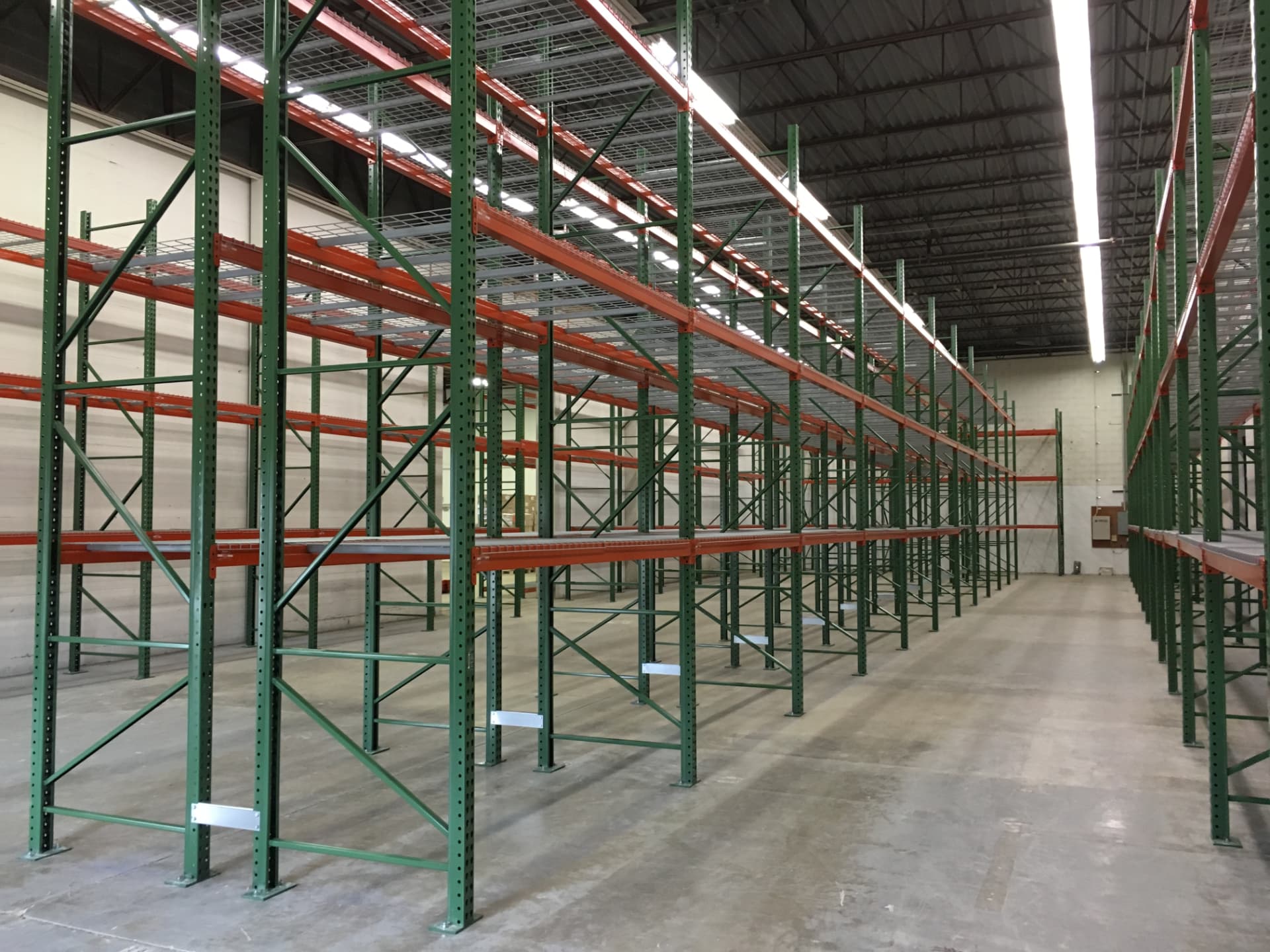
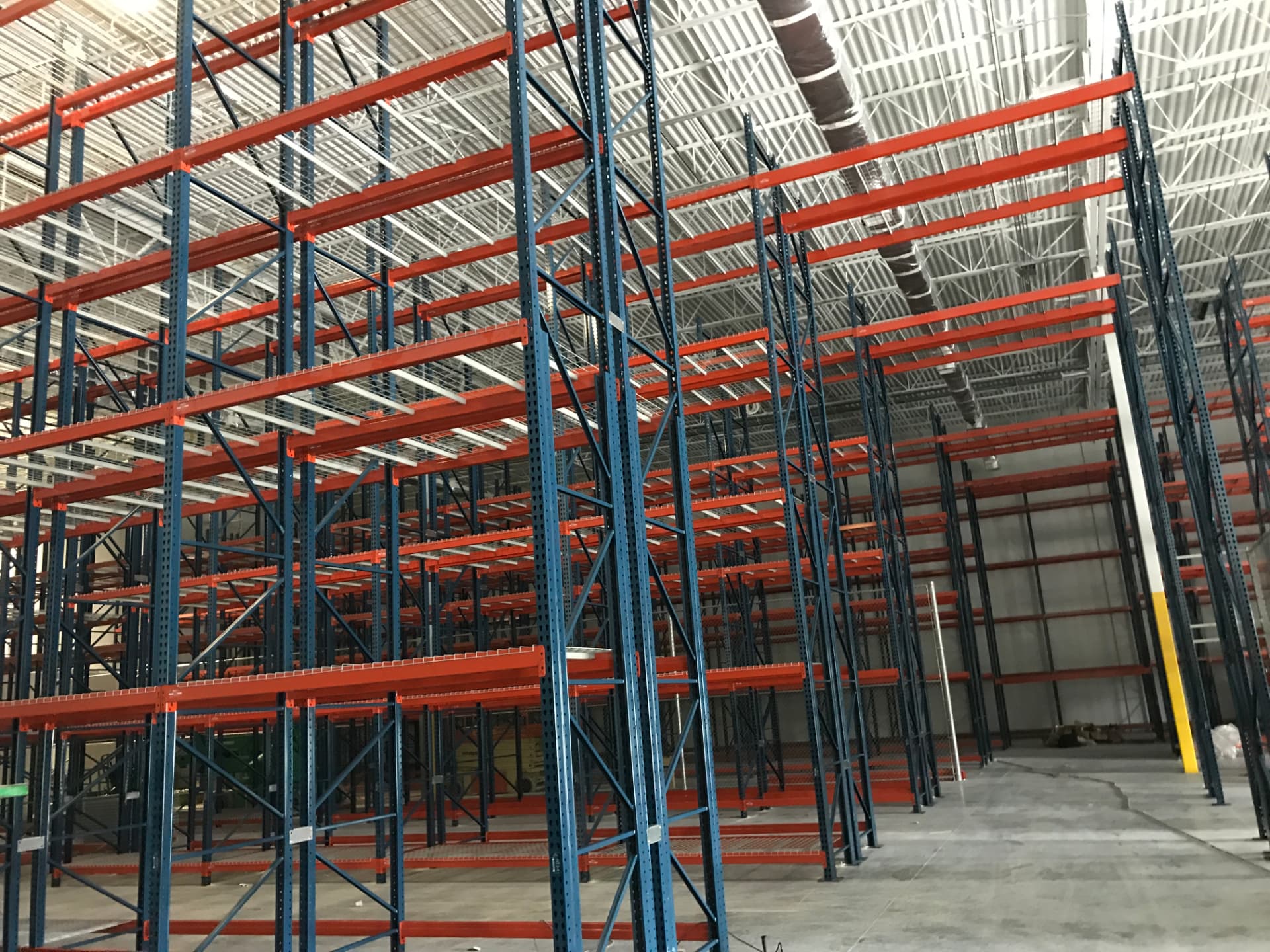
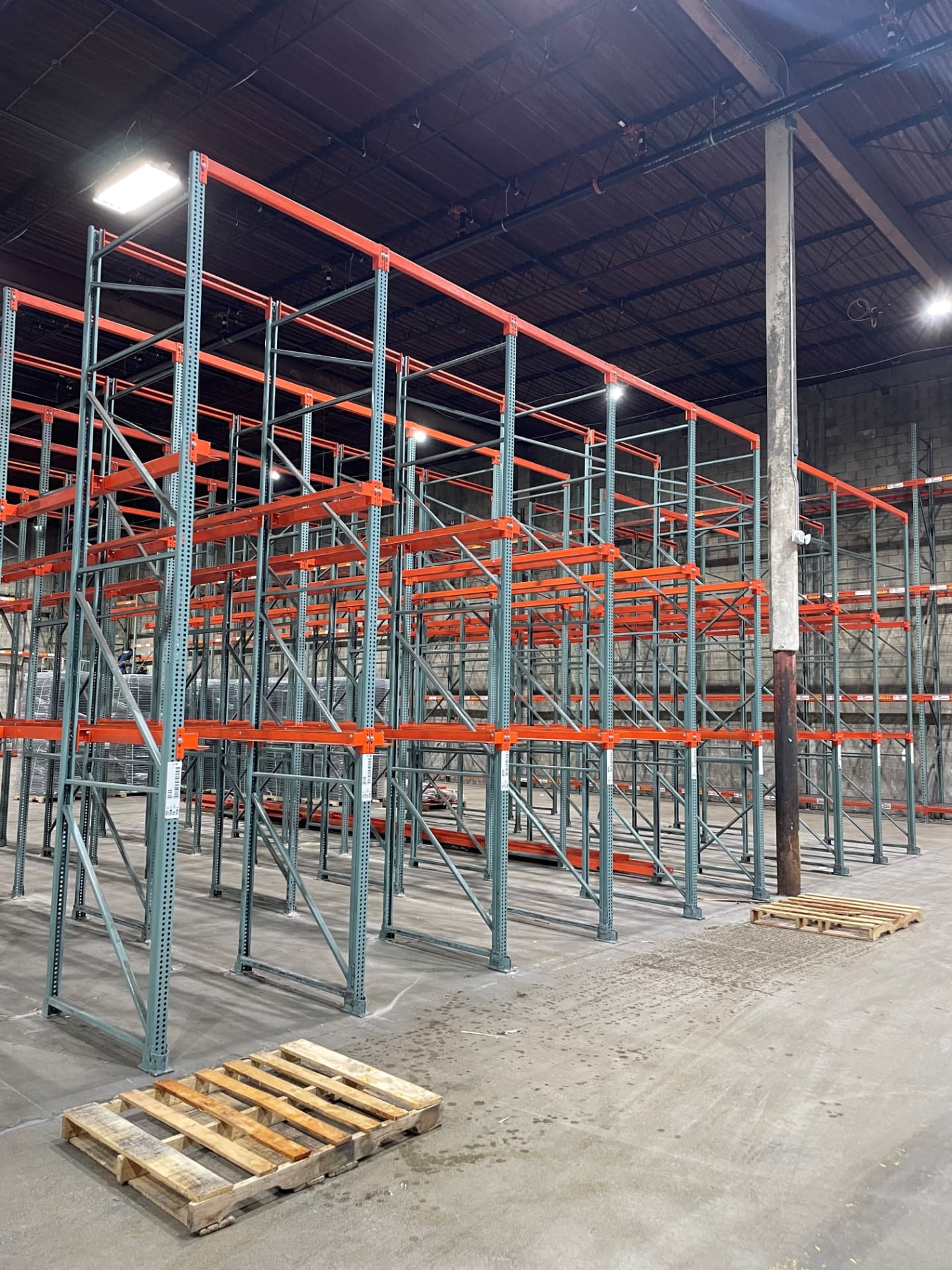
Recent Pallet Rack Projects
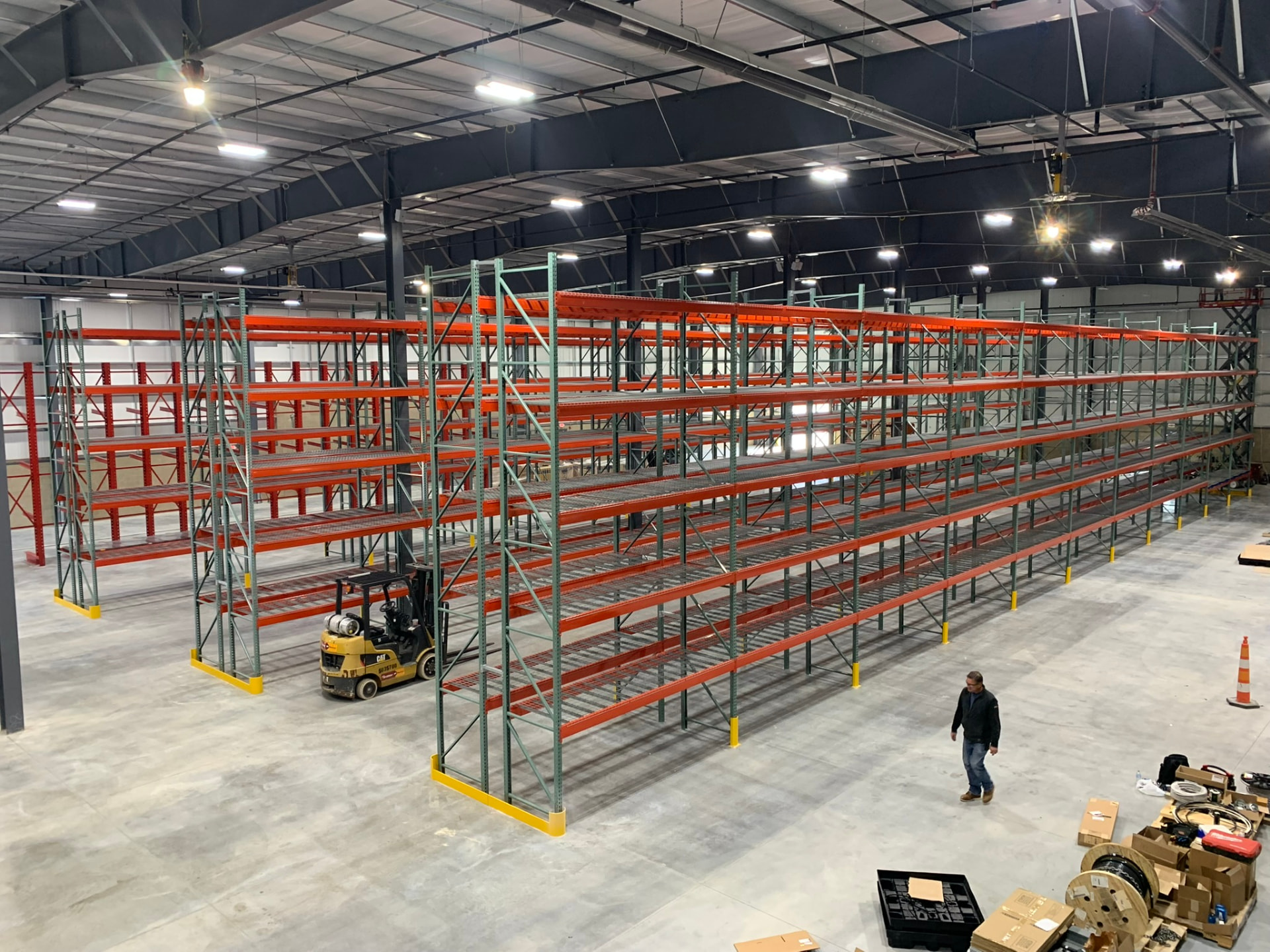
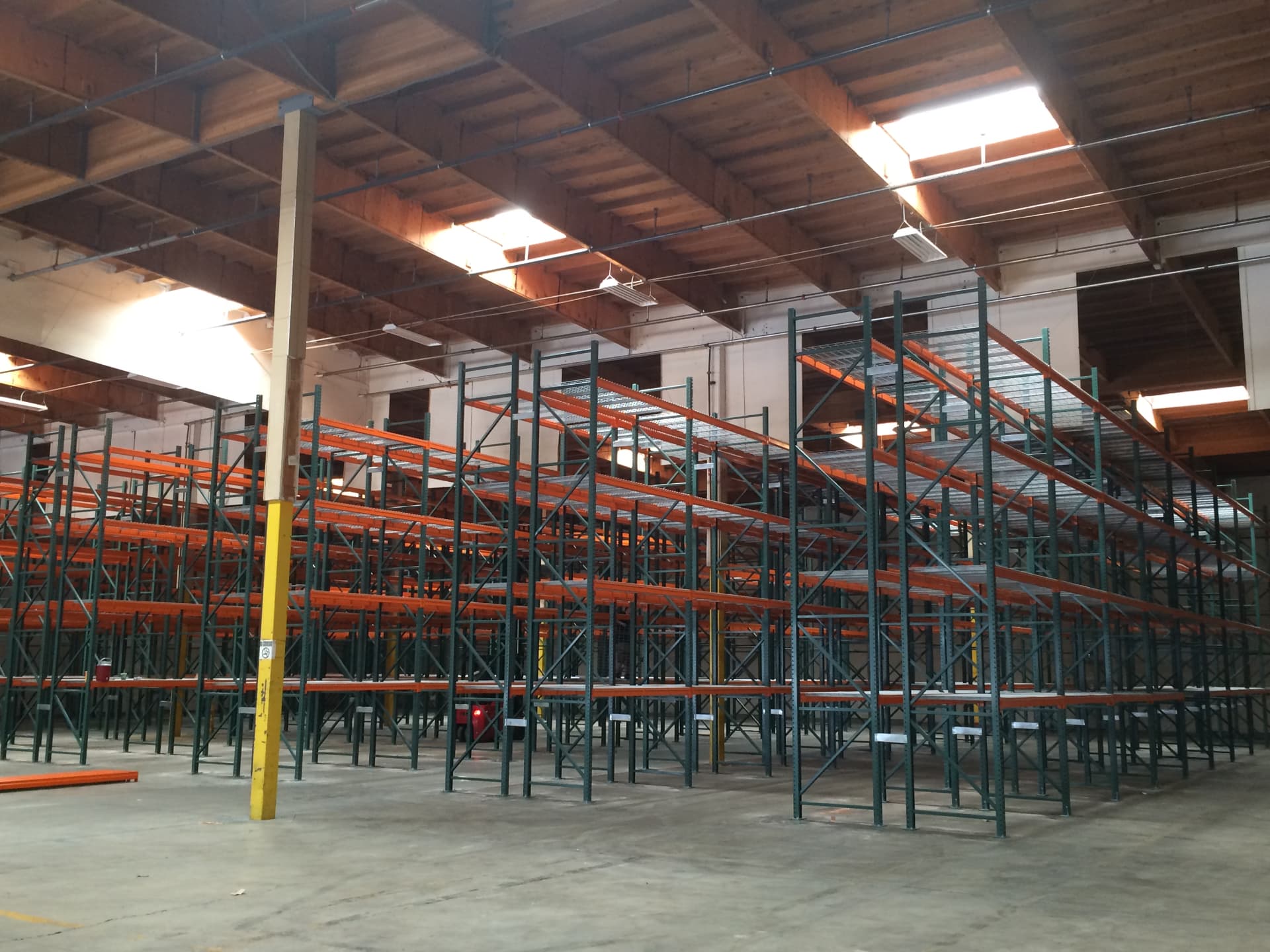
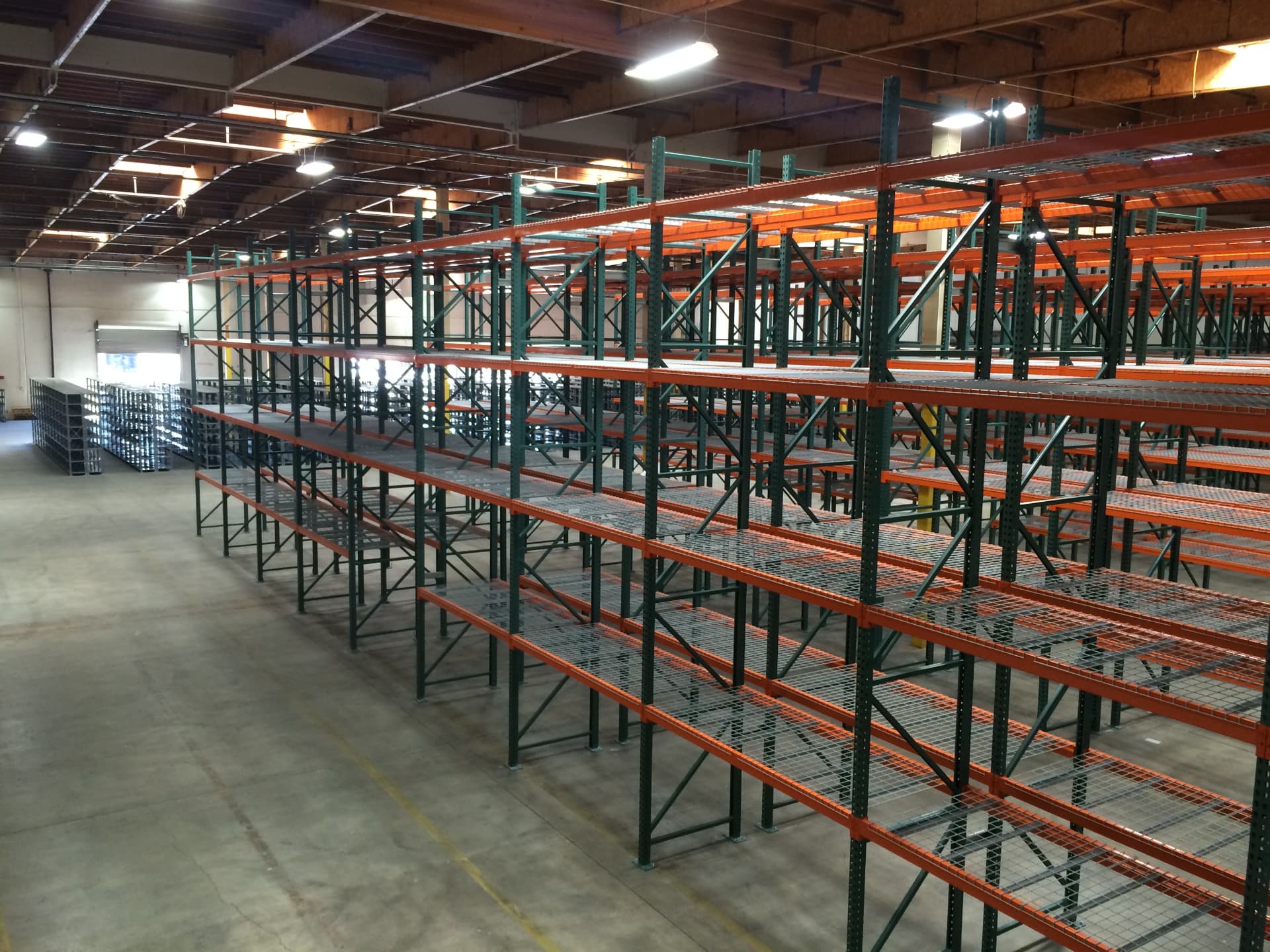
A look at recent pallet rack installations across Northeast Florida.
Make Room for the Next Receipt
Describe your repeated pallet groups and dispatch routine. We can assess storage depth while protecting space for assembling the next shipment. Call (904) 712-2608.
Jacksonville Pallet Rack
1248 Edgewood Ave. W
Ste. 3 #185
Jacksonville, FL 32208
(904) 712-2608Monday - Friday: 8:00 AM - 6:00 PM
Macclenny Pushback Rack Operating Questions
Rack Systems and Relocation in Macclenny
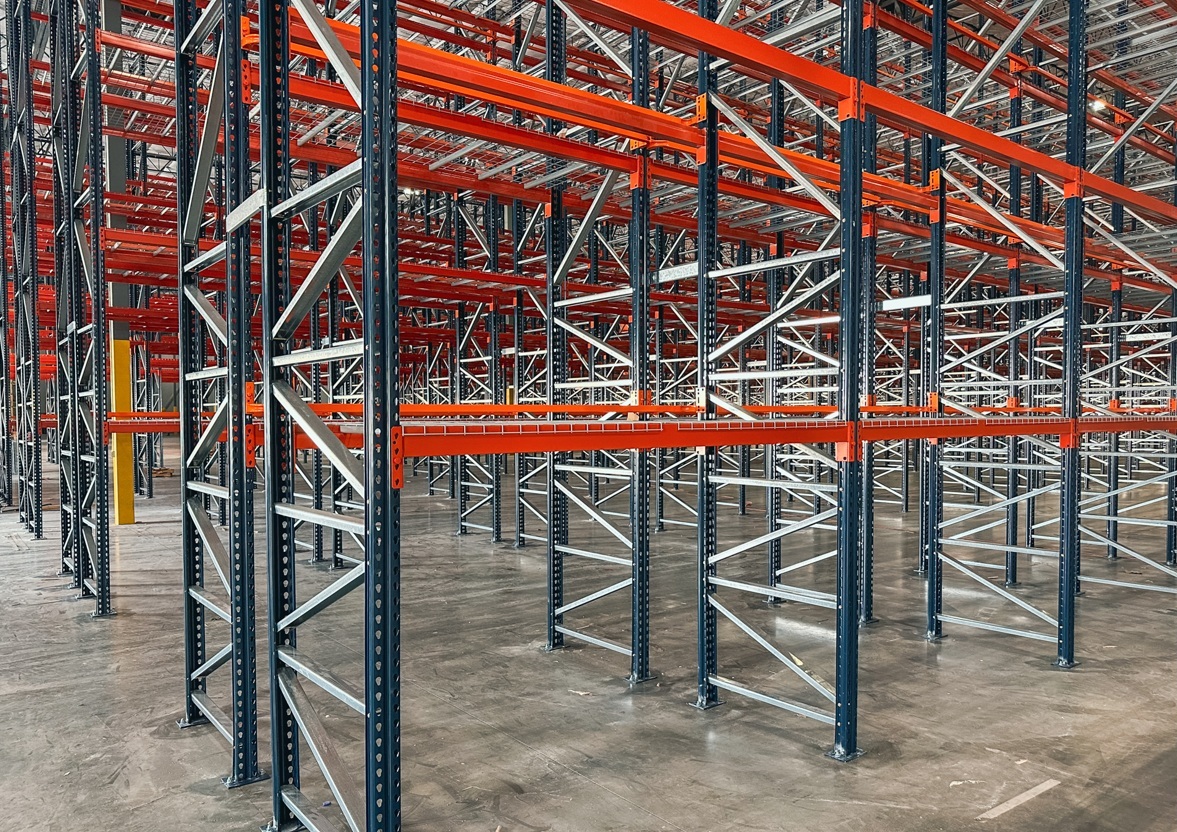
Pallet Rack
Every pallet reachable, every time. The baseline we size everything else against.
View details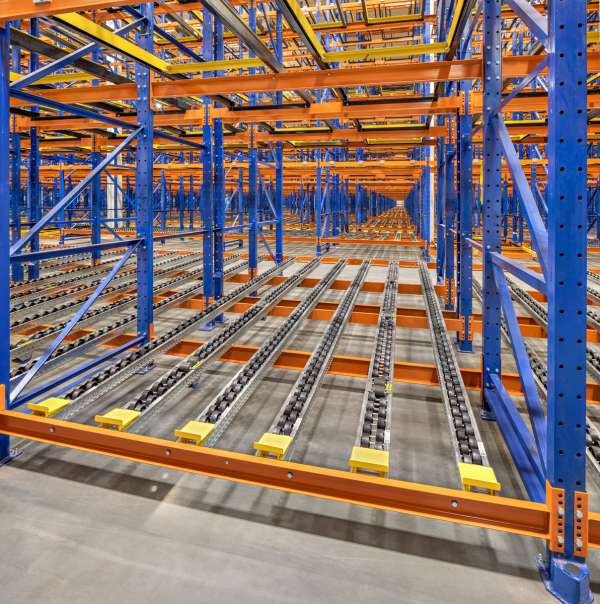
Pallet Flow Rack
Load one side, pick the other, and let gravity enforce first in, first out.
View details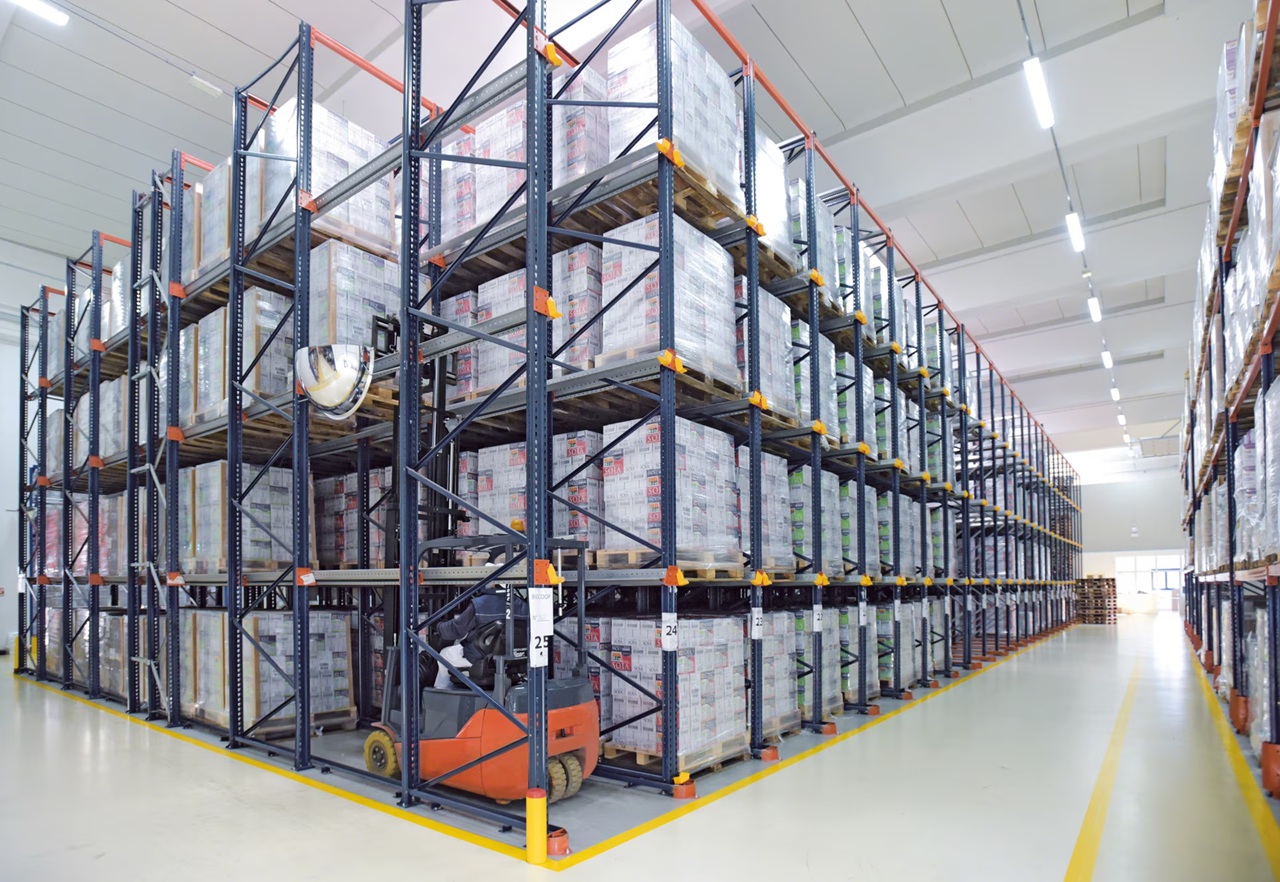
Drive-In Rack
Forklifts enter storage lanes, reducing the number of access aisles for bulk pallet inventory.
View details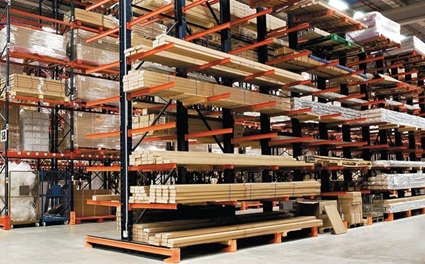
Cantilever Rack
Arms with nothing in front of them, built for lumber, pipe, and anything a pallet can't hold.
View details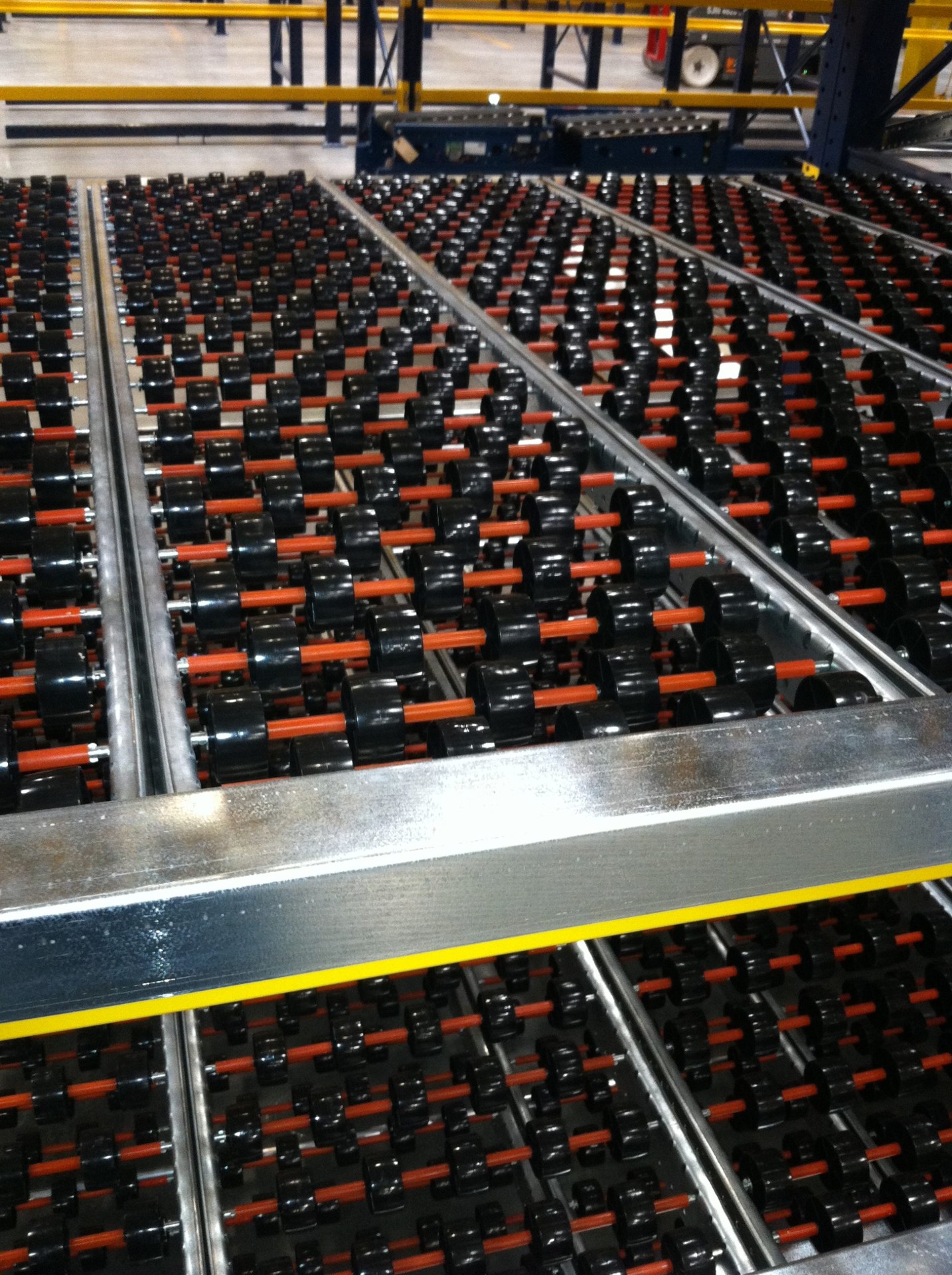
Carton Flow Rack
Cases advance to the picker instead of the picker hunting for cases.
View details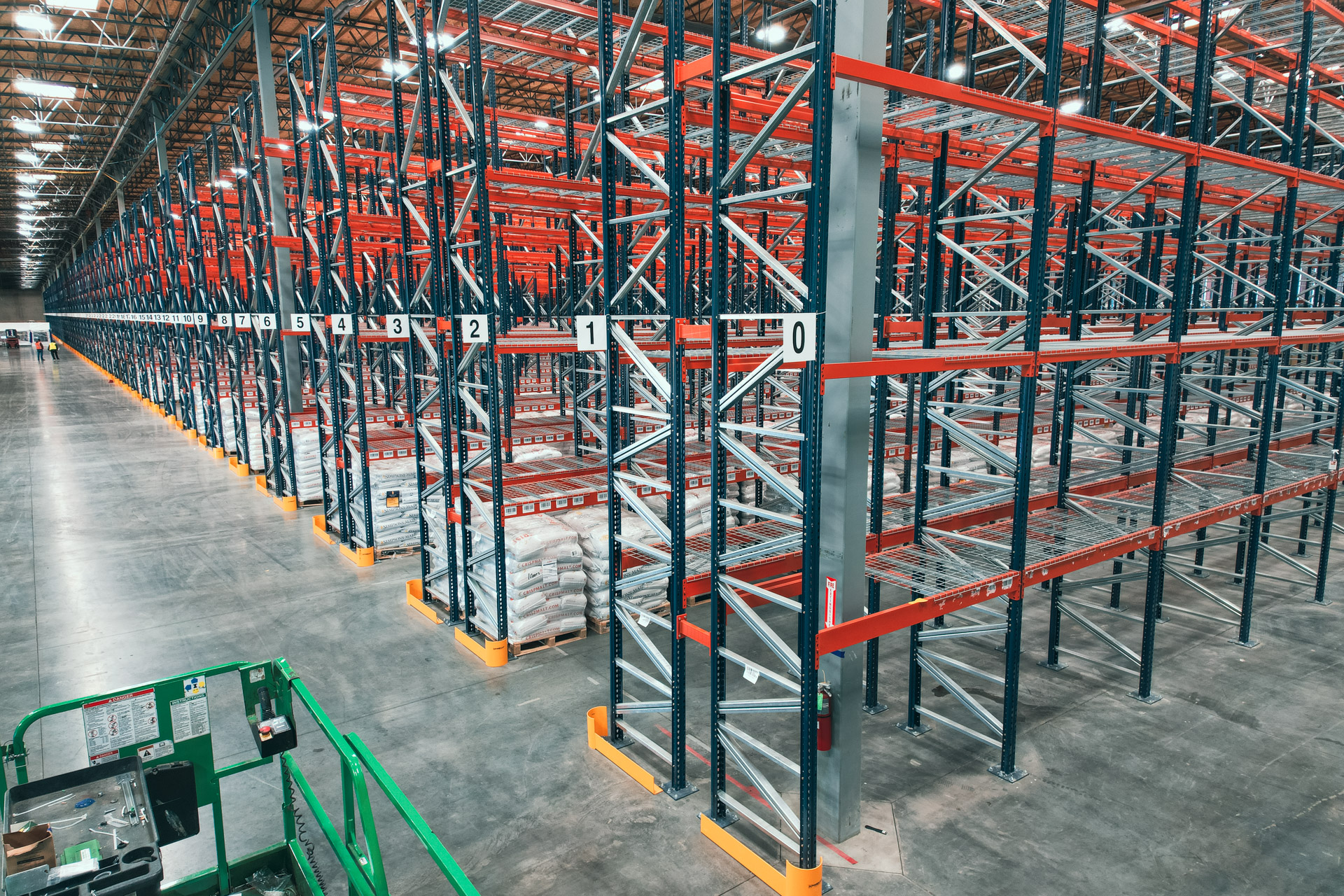
Warehouse Relocation
Teardown, labeled components, transport coordination, and reinstallation planned around the new building.
View detailsNearby Areas We Also Serve
Regional shipments can feed both Baker County reserves and metro delivery points.
Where We Work
Located in Jacksonville, we serve all of Northeast Florida with industrial pallet racks and warehouse storage solutions.
Jacksonville Pallet Rack
Address
1248 Edgewood Ave. W
Ste. 3 #185
Jacksonville, FL 32208
Phone
(904) 712-2608Business Hours
Monday - Friday: 8:00 AM - 6:00 PM
Saturday: Closed
Sunday: Closed
Need Pushback Rack in Macclenny?
Call (904) 712-2608 or request a quote and we will get a layout started.